The single highest-leverage decision in cold storage warehouse design is zoning your facility to match real throughput, then backing that layout with a WMS that enforces temperature compliance and dock procedures that verify every inbound load. Get those three things right and everything else, racking, automation level, door count, falls into place. Get them wrong and you are rebuilding within three years at double the cost.
TL;DR:
- Designing cold storage based on peak-week throughput prevents bottlenecks in staging, dock, and pre-cooling capacities during seasonal peaks.
- Proper placement of temperature zones with airlocks and high-speed doors reduces heat load leaks and maintains temperature integrity across zones.
- Manual or semi-automated handling suits smaller SKU variety and shorter contracts, while automation benefits high-volume, dense pick environments with scalable software integration.
- Regulatory compliance depends more on robust receiving verification procedures and sanitation practices than just on refrigeration size or capacity.
- Collect detailed SKU data and throughput forecasts upfront to ensure vendors provide accurate, comparable proposals that account for peak volume growth and long-term needs.
Table of Contents
- Key Design Factors That Drive Capacity and Layout
- How Should You Lay Out Temperature Zones and Docks?
- Choosing the Right Material-Handling System
- What Regulatory and Food-Safety Rules Mean for Your Design
- Cost and Operational Trade-Offs You Need to Model
- What to Gather Before You Request Proposals
- What Most Cold Storage Projects Get Wrong
- How We Help With Cold Storage Design Decisions
- FAQ
- Sources
Key Design Factors That Drive Capacity and Layout
Before anyone draws a layout, we need real numbers: SKU count by temperature class, daily and peak-week throughput, pallet and case dimensions, and a three-to-five-year growth assumption. Static pallet count tells you almost nothing useful on its own. A facility sized for 10,000 pallet positions but built for 40 pallet moves per hour will choke during peak weeks regardless of how much racking fits inside the walls.
Throughput, not storage density, is what actually determines aisle width, dock count, and staging footprint. A high-velocity chilled operation with narrow SKU variety needs different aisle geometry than a slow-moving frozen bulk-storage facility, even if both hold similar pallet counts.
- Convert SKU-level daily and peak throughput into required pallet positions, not just total cube.
- Add a planning margin above net product volume to cover aisle space, staging, and growth.
- Separate “storage capacity” math from “throughput capacity” math; they drive different design decisions.
- Model peak week, not average week, since refrigeration and labor sizing both fail on averages.
The most common miscalculation we see is designers sizing refrigeration and racking off average daily volume, then discovering during the first holiday peak that dock staging and pre-cool capacity are the actual bottleneck, not storage. Our warehouse capacity planning framework walks through how to build that margin without over-building idle cube.
Pro Tip: Model your design against peak-week throughput, not average daily volume. Averages hide the bottleneck that actually breaks your operation.
How Should You Lay Out Temperature Zones and Docks?
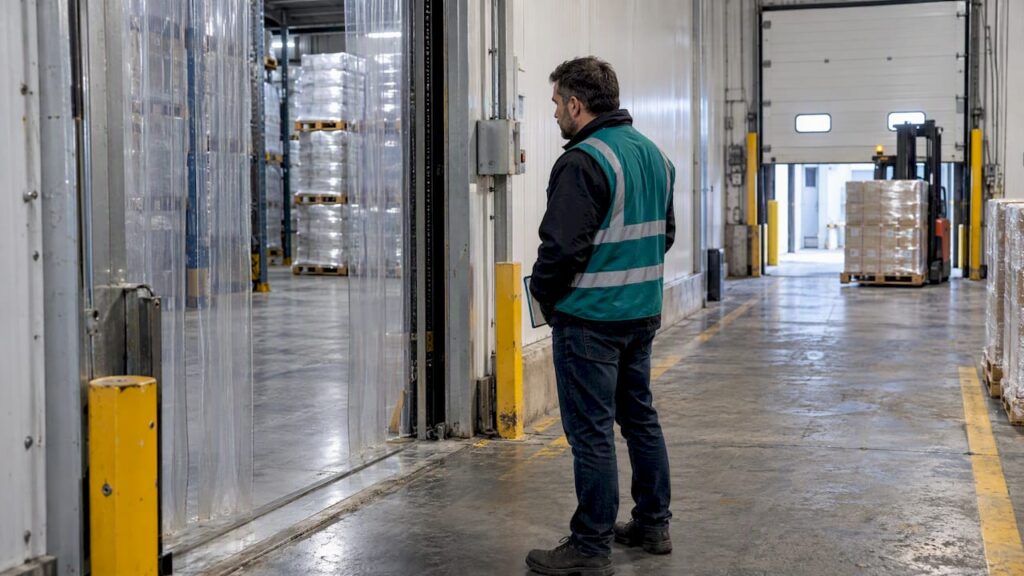
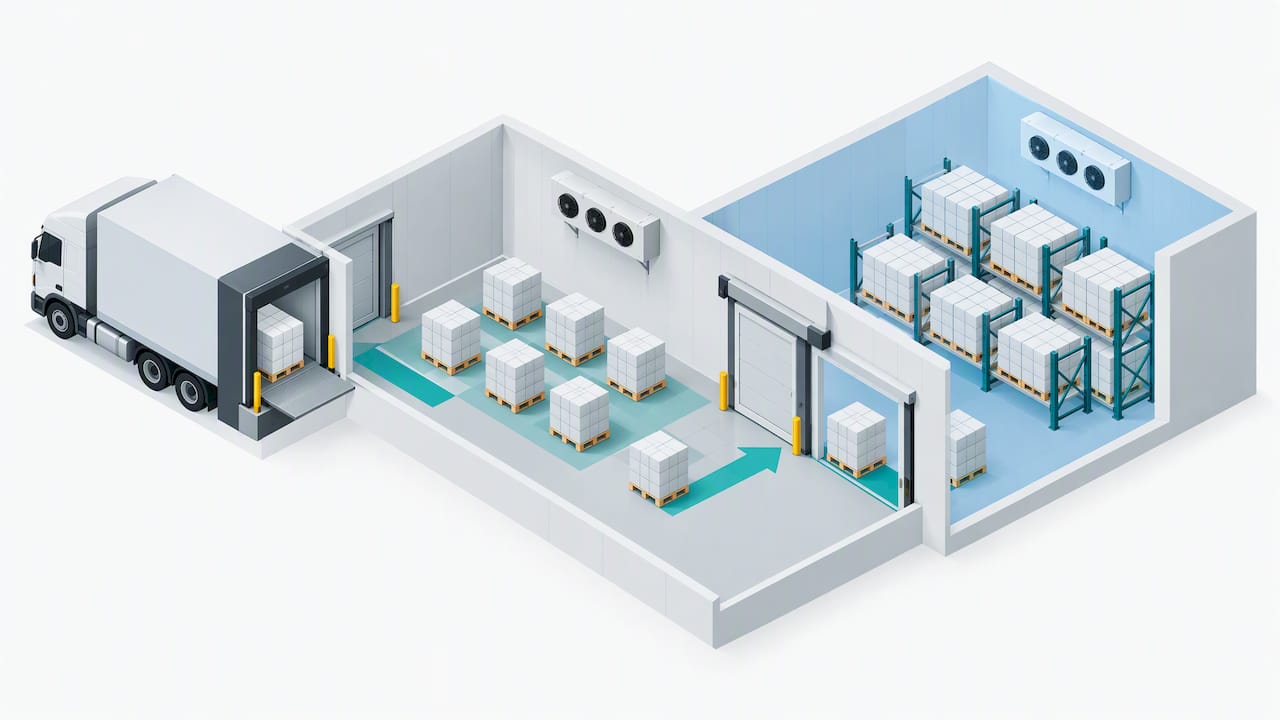
Temperature zone placement determines whether your refrigeration system fights itself all day or runs efficiently. Frozen, chilled, and controlled-room-temperature zones need physical separation with airlocks or vestibules between them, not just a painted line on the floor. Every open doorway between zones is a continuous heat-load leak and a path for temperature drift during transfers.
- Place frozen storage at the building’s interior core, insulated from ambient and chilled zones on all sides where possible.
- Locate chilled and CRT zones adjacent to each other since their temperature differential is smaller and easier to manage at the boundary.
- Install interlocked airlocks or vestibule doors at every frozen-to-chilled transition point to limit infiltration.
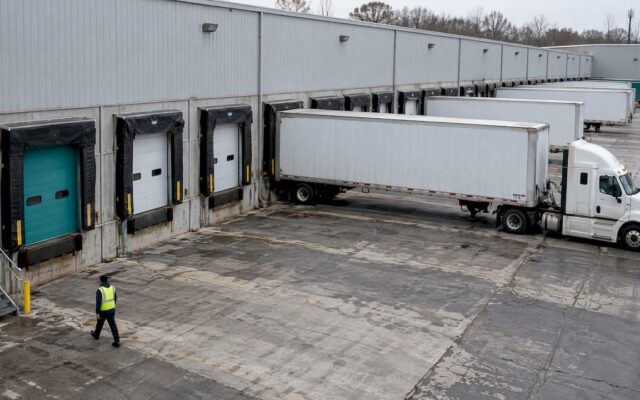
- Size dock door count to peak-hour truck arrivals, not average daily arrivals, and use high-speed doors to cut open-door time.
- Build dedicated pre-cool staging bays so product never sits at ambient temperature while waiting for dock assignment.
- Sequence pick and load routes so mixed-temperature orders visit frozen zones last, minimizing the time frozen product spends outside its zone.
Dock doors are consistently the biggest source of refrigeration load in a cold facility. Every minute a door sits open during loading or unloading, the refrigeration system is working against outside air, which is why airlock design and door-speed decisions matter as much as the racking plan behind them.
Pro Tip: Treat your dock as a temperature zone in its own right. If pre-cool staging isn’t sized for peak truck volume, your frozen zone will absorb the overflow and never fully recover.
Choosing the Right Material-Handling System
Manual and semi-automated handling remain the right call for most 3PLs running shorter client contracts, limited SKU counts, or facilities that need to flex between tenants. Pallet jacks, reach trucks, and basic conveyor sortation keep capital exposure low and preserve the flexibility to reconfigure a layout when a contract ends or a client’s volume shifts.
Fully automated systems, automated storage and retrieval systems (ASRS), stacker cranes (SRMs), and shuttle systems earn their capital cost when storage density, pick volume, and labor cost all point the same direction. Industry cold-chain guidance recommends a phased path, manual to semi-automated to fully automated, because retrofit-friendly equipment and scalable software preserve optionality as contracts and volumes change.
- Manual and semi-automated fits short contracts, limited SKU diversity, or a phased capital approach.
- ASRS, SRM, and shuttle systems pay back where pick density and throughput are high enough to offset the labor they displace.
- None of this works without software: a WMS or WCS that enforces temperature-aware putaway, tracks time-in-zone exposure, and sequences routes by temperature class.
Automation ROI tracks pick density, not pallet density. A facility can be fully racked and still deliver poor automation returns if picks per hour never justify the capital.
What Regulatory and Food-Safety Rules Mean for Your Design
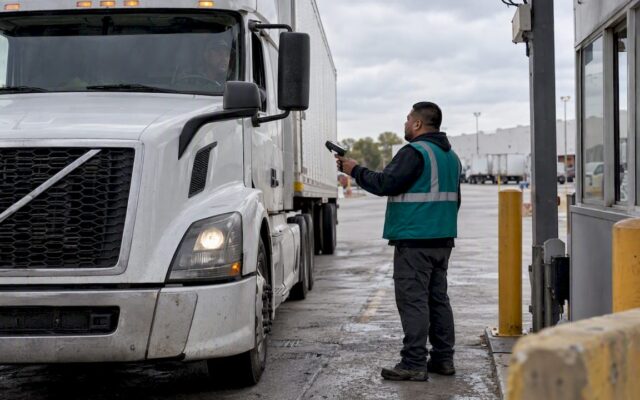
FDA’s Sanitary Transportation guidance requires that vehicles and transport equipment used for temperature-controlled food be cleanable, pre-cooled as needed, and accompanied by documented sanitation and temperature-control procedures. Receivers carry their own obligation: verifying that an inbound shipment was not exposed to significant temperature abuse before it enters storage.
That receiving-verification step is where most enforcement risk actually lives, not in the refrigeration system itself. A recent FDA warning letter against a refrigerated seafood-handling facility cited inadequate HACCP plans, insufficient monitoring frequency, and weak sanitation practices, and specifically recommended transportation records demonstrating product held under appropriate temperature limits throughout transit along with more frequent data-logger checks.
Weak receiving procedures, not undersized refrigeration, are what most often trigger FDA enforcement action. That single warning letter is a useful template for what inspectors look for.
- Require carrier documentation of cleaning and temperature-control practices before accepting a load.
- Check data loggers immediately on arrival, not at end of shift.
- Document sanitation protocols for both the dock and the transport equipment itself with the help of facility maintenance and sanitation services that support contamination control and loading/unloading practices.
- Build HACCP-aligned monitoring frequency into your SOPs before writing the RFP, not after.
Cost and Operational Trade-Offs You Need to Model
Every cold storage design decision trades energy, labor, footprint, and capital against each other, and the right mix depends on contract length and growth trajectory more than on what looks impressive on paper. A facility built for a five-year anchor tenant can justify automation capital that a facility serving rotating 3PL clients cannot.
- Model energy cost per pallet position against labor cost per pick across manual, semi-automated, and fully automated scenarios.
- Compare footprint and density: automation typically reduces $/pallet position by increasing vertical density, but only once pick volume justifies the capital.
- Track $/pallet position, energy per pallet, and labor hours per pick as your three core KPIs across any design option.
- Run a minimal sensitivity check: what happens to payback if peak volume comes in 20% lower than forecast.
Footprint decisions ripple into your real estate math too. A denser automated design can mean a smaller building footprint and lower lease cost per pallet, which matters most in markets where industrial rents are climbing faster than labor. Our distribution network design work digs into how site-level density decisions affect long-term lease exposure.
Pro Tip: *Run your sensitivity check on throughput, not just on cost.
What to Gather Before You Request Proposals
A comparable RFP response depends entirely on the data you hand bidders before they quote. Vague inputs produce vague proposals, and vague proposals produce the retrofit surprises that cost real money six months after go-live.
- SKU-level detail: temperature class, pallet and case dimensions, and unit counts per SKU.
- Throughput by SKU and by slot, covering both average day and peak week.
- Target SLA windows for receiving, putaway, and order cutoff.
- Contract length assumptions, since a three-year contract and a ten-year lease justify different automation capital.
- Explicit RFP language requiring pre-cool procedures, data-logging frequency, and WMS temperature enforcement from every bidder.
- A retrofit-risk question for each bidder: what happens to this design if peak volume grows 25% in year two.
Our build-to-suit specification guide covers the retrofit surprises we see most often, undersized pre-cool staging and dock counts that worked on paper but failed at peak. Our warehouse RFP management process is built around closing exactly these gaps before a vendor contract is signed.
What Most Cold Storage Projects Get Wrong
Most cold storage projects fail on scoping, not engineering. I have watched teams spend months selecting racking systems and automation vendors while nobody had pinned down peak-week throughput or SLA windows, which means every vendor quote was built on a different, unstated assumption.
The three red flags I watch for: no peak-week data before RFP, no receiving verification SOP written down anywhere, and a design decision driven by vendor sales cycles rather than contract length. None of these are engineering problems. They are operating decisions that get made by default when nobody owns them early.
Taking a Nike inventory operation from 61% to 98%+ cycle count accuracy across 450,000+ SKUs and redesigning a pallet program that saved $6M annually for Kroger both came down to the same lesson: the data you collect before you commit to a design matters more than the system you eventually buy.
— Michael
How We Help With Cold Storage Design Decisions
We have no warehouse to fill and no vendor relationships to protect, which means our read on your cold storage design is built around your throughput numbers and contract terms, not a sales quota.

For brands and 3PLs scoping a cold storage project, our warehouse RFP management service turns your SKU and throughput data into a bidder-ready RFP, so every vendor quotes against the same assumptions. Where the question is bigger than one facility, our distribution network design and 3PL selection and diligence work covers site selection and operator evaluation side by side.
- Warehouse RFP Management: scoping, bidder comparison, and contract-ready specifications.
- Distribution Network Design: site and network-level decisions that shape your cold storage footprint.
- 3PL Selection & Diligence: underwriting-grade evaluation of operators bidding on your cold chain volume.
- 3PL Operations Advisory: ongoing operational support once the facility is running.
See our full services overview or reach out directly to start with a review of your current throughput data.
This article is general information, not a substitute for advice from a qualified lawyer. Consult a qualified legal professional about your own circumstances before acting on anything here.
FAQ
What’s the biggest mistake in cold storage warehouse design?
Sizing refrigeration and racking off average daily volume instead of peak-week throughput is the most common and costly mistake. Facilities that pass this test on paper routinely fail during the first seasonal peak because dock staging and pre-cool capacity, not storage, become the bottleneck.
How do FDA rules affect cold storage warehouse design?
FDA’s sanitary transportation guidance requires cleanable, pre-cooled transport equipment and documented sanitation procedures, and it places a verification obligation on receivers to confirm shipments were not exposed to significant temperature abuse. A recent warning letter shows that weak monitoring frequency and sanitation documentation, not undersized refrigeration, are what typically trigger enforcement.
When does automation make sense in a cold storage facility?
Automated storage and retrieval systems and shuttle systems pay back when storage density, pick volume, and labor costs all point toward higher throughput than manual handling can support. Industry guidance recommends a phased approach from manual to semi-automated to fully automated so capital commitment matches actual contract length and volume certainty.
What data should I collect before requesting cold storage design proposals?
Collect SKU-level temperature class, pallet and case dimensions, throughput by SKU and slot for both average and peak week, target SLA windows, and contract length assumptions before writing an RFP. This dataset is what allows bidders to quote against the same assumptions instead of guessing at your actual operating profile.
What does The 3PL Cowboy charge for RFP management or design advisory?
Pricing for Warehouse RFP Management and related advisory services is available on request based on project scope. Reach out through our services page for a direct quote.
Sources
- Guidance for Industry Small Entity Compliance Guide: Sanitary Transportation of Human and Animal Food: What You Need to Know About the FDA Regulation
- How to go from manual to semi- or fully automated cold chain distribution (SSI Schaefer)